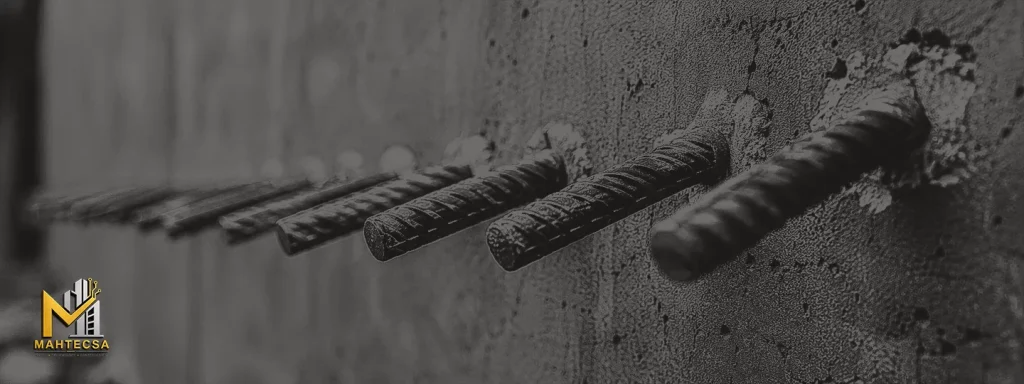
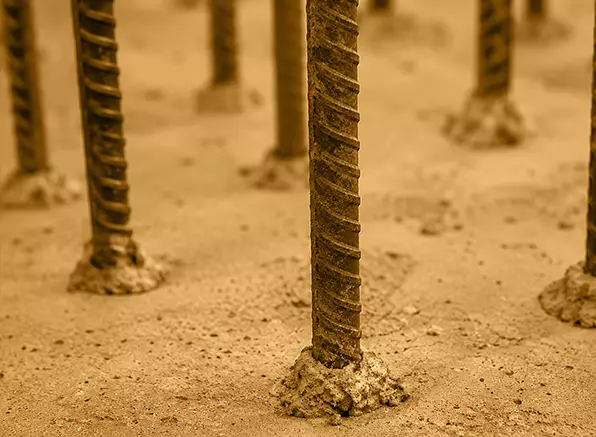
Types of Post-Installed Rebar Methods
-
Post-Installed Rebar with Epoxy Systems
Features:
- High capacity
- Suitable for structural projects
- Suitable for heavy loads
Applications:
- Strengthening
- Structural extensions
- New structural members
-
Post-Installed Rebar with Hybrid Systems
Features:
- Fast installation
- Shorter setting time
Applications:
- Industrial projects
• Limited installation time
Post-Installed Rebar with Grout Systems
Features:
- More economical
- Suitable for certain projects
Adhesives Used for Post-Installed Rebar
Final selection depends on project conditions, installation requirements and service conditions.
Post-Installed Rebar in Concrete: From Project Assessment to Service
-
Design and Installation Parameters
Assessing:
- Rebar diameter
- Anchorage length
- Installation depth
- Loading conditions
- Concrete strength
- Edge distance
- Rebar spacing
- Service conditions
-
Scanning and Assessing the Concrete Member
The aim is to prevent damage to:
- Existing reinforcement
- Cables
- Service routes
- Sensitive structural areas
-
Drilling
Methods:
Hammer drilling
- Faster execution
- General projects
Core drilling
- Sensitive projects
- Better diameter and depth control
Checking:
- Hole diameter
- Installation depth
- Concrete damage
- Drilling deviation
-
Cleaning
Steps:
① Air blowing
② Brushing
③ Repeat cleaning
④ Final inspection
-
Injecting the Bonding System
Installation principles:
- Injection from the back of the hole
- Preventing air bubbles
- Uniform distribution
- Controlling injection volume
-
Installing and Securing the Rebar
- Controlled insertion
- Reaching the final depth
- Preventing movement
Why Does Post-Installed Rebar Involve More Than Drilling and Adhesive Injection?
Rebar → Bonding system → Concrete → Entire structure
Relevant factors:
- Concrete quality
- Installation depth
- Edge distance
- Loading type
- Drilling quality
- Service conditions
- Installation quality
Design and Installation Standards
- ACI 318
- European ETA requirements
- Installation system specifications
- Actual concrete member conditions
Post-Installed Rebar Installation Quality Control
Checks During Installation
- Hole diameter checks
- Installation depth checks
- Cleaning checks
- Injection volume checks
- Setting time checks
- Environmental condition checks
Checks After Installation
- Visual inspection
- Installation depth checks
- Pull-out testing
- Load testing
Factors Affecting Final Capacity
When Is Post-Installed Rebar Not Recommended?
- Very low-strength concrete
- Damaged concrete
- Insufficient edge distance
- Certain dynamic loads
- Temperatures outside the system’s operating range
Post-Installed Bolts Versus Post-Installed Rebar
The table below explains the differences between post-installed rebar and post-installed bolts for rehabilitation and concrete strengthening and describes where each method can be used.
Common Post-Installed Rebar Installation Errors
- Holes larger than the designed diameter
- Incomplete cleaning
- Unsuitable system selection
- Installation near the concrete edge
- Premature loading
- Installation without assessing member conditions